
Finding a spider in your bathroom sink or watching one scurry across the living room floor is enough to make most homeowners shudder. While spiders actually help control other insect populations, there's nothing wrong with wanting to keep them outside where they belong. The good news? You don't need harsh chemicals or expensive treatments to maintain a spider-free home. With the right combination of prevention strategies and consistent habits, you can significantly reduce spider activity indoors and reclaim your peace of mind.
How to Keep Spiders Out of Your House by Sealing Entry Points
Spiders are master contortionists that can squeeze through remarkably small gaps, making your first line of defense a thorough inspection of your home's exterior. Start by examining window screens for tears or loose frames, and replace or repair any damaged sections. Check door sweeps and weatherstripping at the base of exterior doors—these wear down quickly and create perfect spider highways.
Pay special attention to utility penetrations where pipes, cables, and vents enter your home. These often have gaps that expand and contract with temperature changes, creating entry opportunities. Use silicone caulk for smaller cracks and expandable foam for larger openings, but avoid overfilling areas where you need to maintain ventilation.
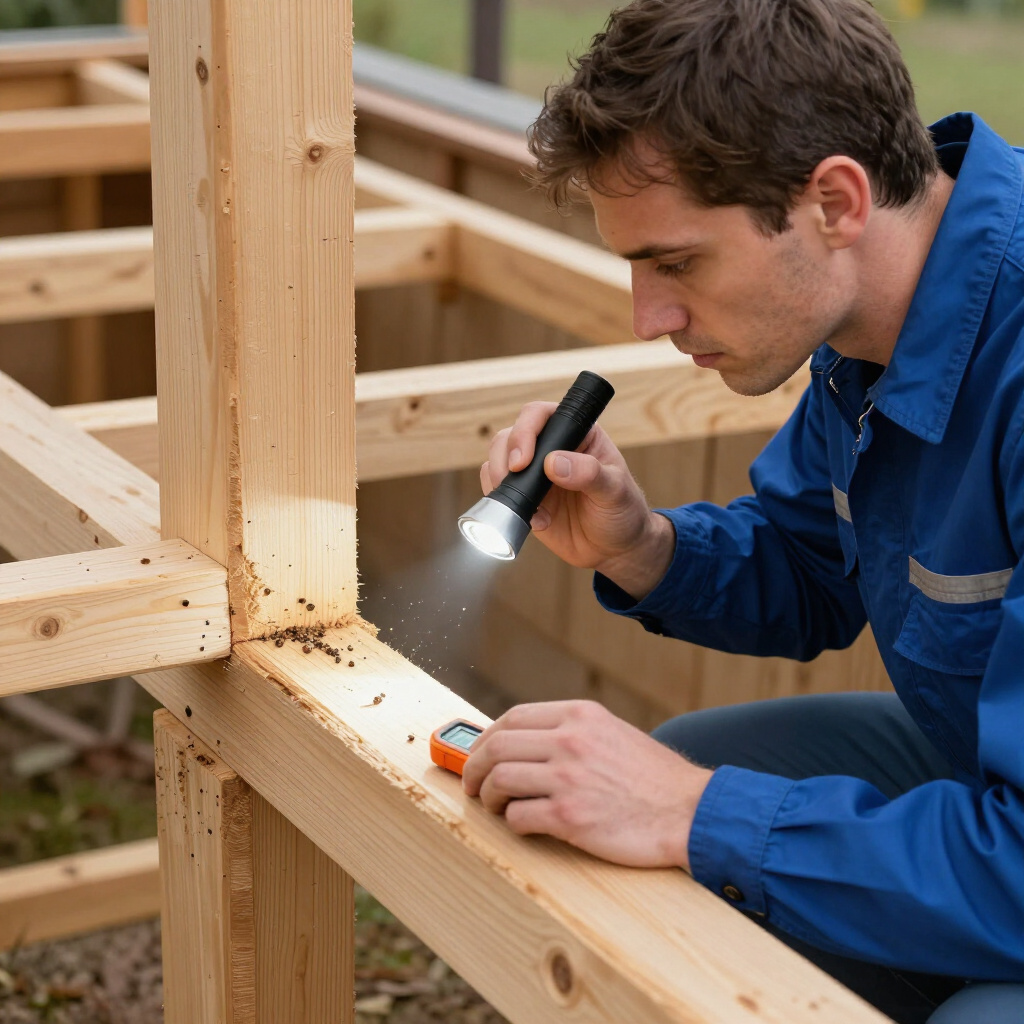
Foundation cracks deserve particular scrutiny. Walk your home's perimeter with a flashlight and look for gaps where the foundation meets siding, around basement windows, and near exterior faucets. Even a gap the width of a pencil can admit mature spiders seeking shelter from weather extremes or hunting opportunities indoors.
Don't overlook your roofline and attic access points. Roof vents, soffit gaps, and chimney flashing can all serve as entry routes for climbing spider species. A well-maintained roof doesn't just protect against water damage—it forms part of your pest defense perimeter.
Reduce the Conditions That Attract Spiders
Understanding what draws spiders inside helps you eliminate the incentives. Spiders follow their food source, so controlling other insects naturally reduces spider populations. Keep kitchen counters clean, store pantry items in sealed containers, and address moisture issues that attract silverfish, roaches, and other spider prey.
Outdoor lighting significantly influences spider activity near your home. Insects swarm around bright white lights at night, creating concentrated hunting grounds. Switch to yellow or amber LED bulbs for exterior fixtures, which attract far fewer flying insects and therefore fewer spiders. Position lights away from doorways when possible, or install motion sensors so they're only active when needed.
Landscaping choices matter more than many homeowners realize. Dense shrubs, stacked firewood, and overgrown vegetation touching your home's exterior create ideal spider harborage zones. Maintain at least a twelve-inch clearance between plants and your foundation. Store firewood on elevated racks well away from the house, and resist the temptation to bring in extra logs "just for tonight"—this is one of the most common ways spiders hitchhike indoors.
Indoor humidity control also plays a role. Spiders prefer environments with moderate to high humidity, which explains their affinity for basements, crawl spaces, and bathrooms. Running a dehumidifier in damp areas of your home makes these spaces less hospitable. Fix leaky pipes promptly and ensure bathrooms have adequate ventilation during and after showers.
Key Tips for Ongoing Spider Prevention
Consistency separates effective spider management from occasional frustration. Establish these habits to maintain your defenses year-round:
Regular cleaning disrupts spider habitats. Vacuum thoroughly in corners, along baseboards, behind furniture, and in ceiling junctions where webs accumulate. Use your vacuum's hose attachment to reach high corners and remove both active webs and the egg sacs that would produce the next generation. Empty the vacuum canister or replace bags outside to prevent re-infestation.
Declutter relentlessly. Storage boxes, piles of newspapers, unused clothing, and garage debris provide undisturbed shelter for spiders. The fewer hiding spots available, the less appealing your home becomes. Choose plastic storage containers with tight-fitting lids over cardboard, which spiders can more easily access and which may itself attract booklice and other prey insects.
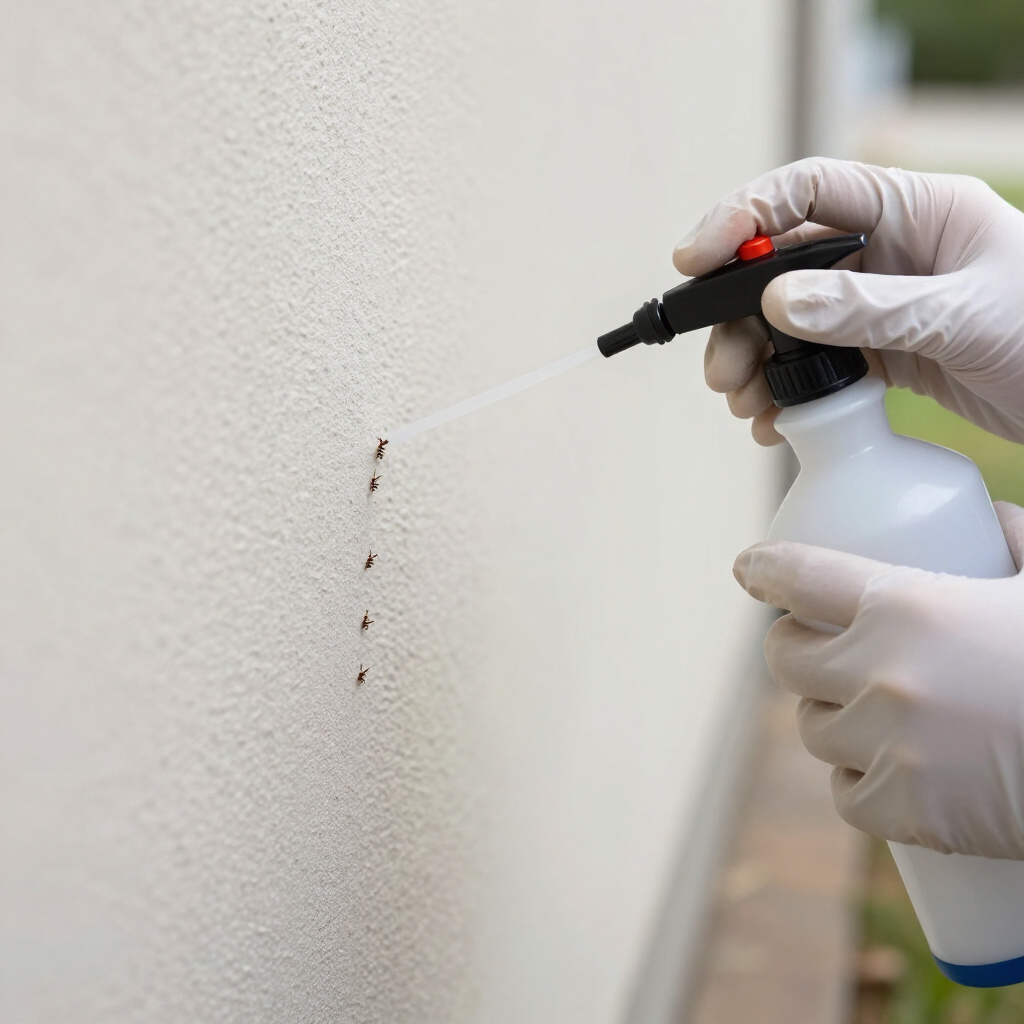
Apply natural deterrents strategically. While no natural repellent offers complete protection, certain substances spiders find disagreeable can supplement your efforts. Peppermint oil diluted in water and sprayed along baseboards and entry points provides a pleasant-smelling deterrent that requires reapplication every one to two weeks. Vinegar solutions work similarly, though the smell appeals to fewer homeowners. Essential oil effectiveness varies by spider species and concentration, so view these as supporting measures rather than primary solutions.
Address your home's perimeter seasonally. Spring and fall see peak spider movement as temperatures shift. Schedule thorough exterior inspections before these transition periods. Clear autumn leaf accumulation from gutters and window wells promptly, as decaying organic matter supports entire insect food chains.
Know when professional intervention makes sense. If you're encountering multiple spiders daily, finding egg sacs consistently, or dealing with venomous species identification concerns, a licensed pest professional can assess whether an underlying infestation of prey insects is sustaining the spider population. Treating the root cause proves more effective than addressing spiders alone.
Final Thoughts
How to keep spiders out of your house successfully comes down to thinking like a spider while acting like a vigilant homeowner. These resourceful arthropods seek three things: entry access, hiding places, and food availability. Systematically reducing all three makes your home genuinely unattractive to them without requiring you to wage chemical warfare in your living spaces.
The strategies outlined here compound in effectiveness when practiced together. Sealing entry points without addressing outdoor attractants leaves spiders pressing against your defenses. Cleaning thoroughly while ignoring foundation gaps invites new arrivals to replace any you discourage. The integrated approach—physical exclusion, environmental modification, and consistent maintenance—creates sustainable protection.
Start with the inspection and sealing process, as this builds your foundation. Then layer in the ongoing habits that make your home inhospitable over time. Most homeowners who commit to this comprehensive approach report dramatic reduction in spider encounters within the first month, with continued improvement as seasons pass. Your home should feel like your sanctuary, not a shared habitat with eight-legged roommates. Take these steps, and you'll be well on your way to reclaiming that comfort.