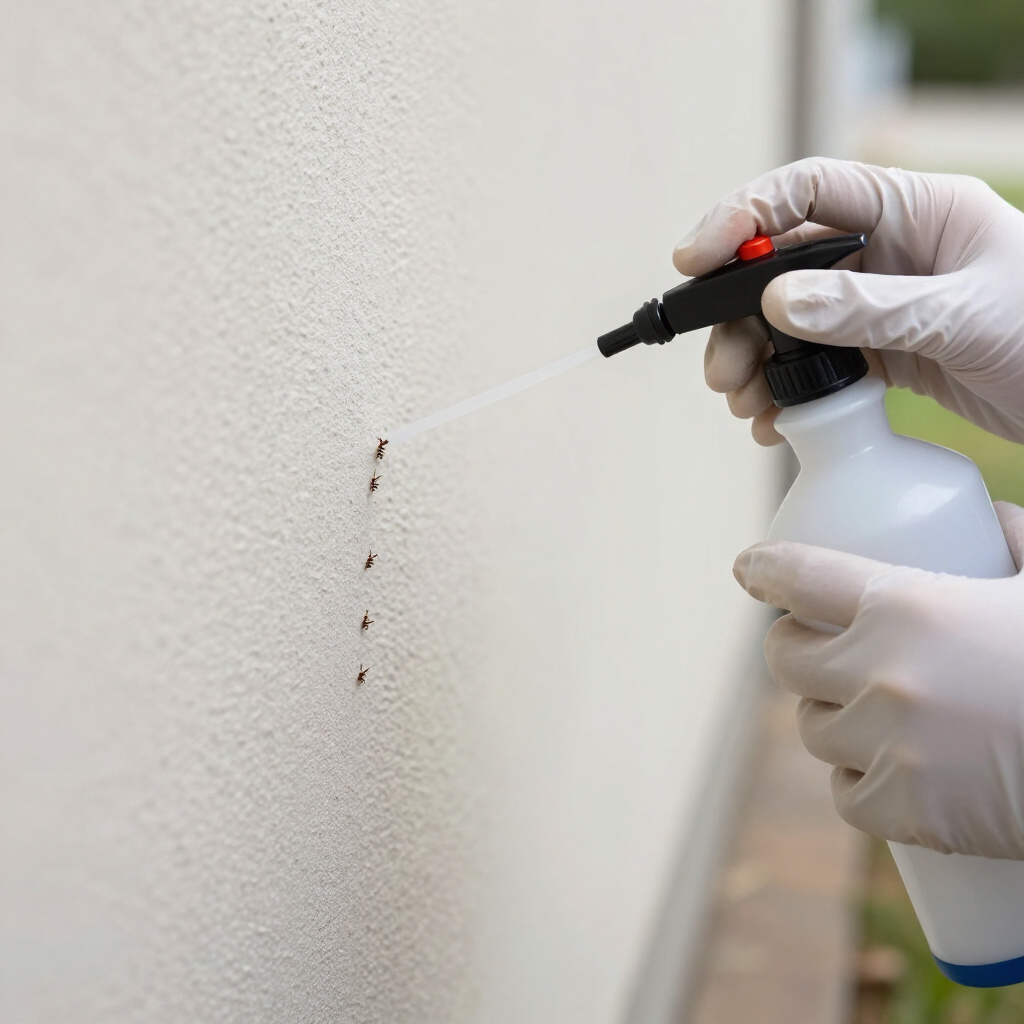

There's nothing quite like the frustration of spotting a trail of ants marching across your kitchen counter or discovering they've taken up residence in your pantry. These tiny invaders seem to appear out of nowhere, and once they've established a scent trail, hundreds can follow in their footsteps. The good news? With the right approach, you can make your home far less appealing to ants and stop problems before they start.
How to Prevent Ants From Invading Your Home Starts With Understanding Their Behavior
Ants don't randomly wander into your living space—they're on a mission. Worker ants are constantly searching for food, water, and shelter to support their colony. When a scout ant finds something promising, it lays down a pheromone trail that acts like a highway sign for the rest of the colony. This is why you often see ants traveling in such disciplined lines.
Most ant problems in homes involve a handful of common species: odorous house ants, pavement ants, carpenter ants, and pharaoh ants. Each has slightly different preferences, but they all share the same basic needs. Understanding this helps you think like an ant and eliminate what attracts them.
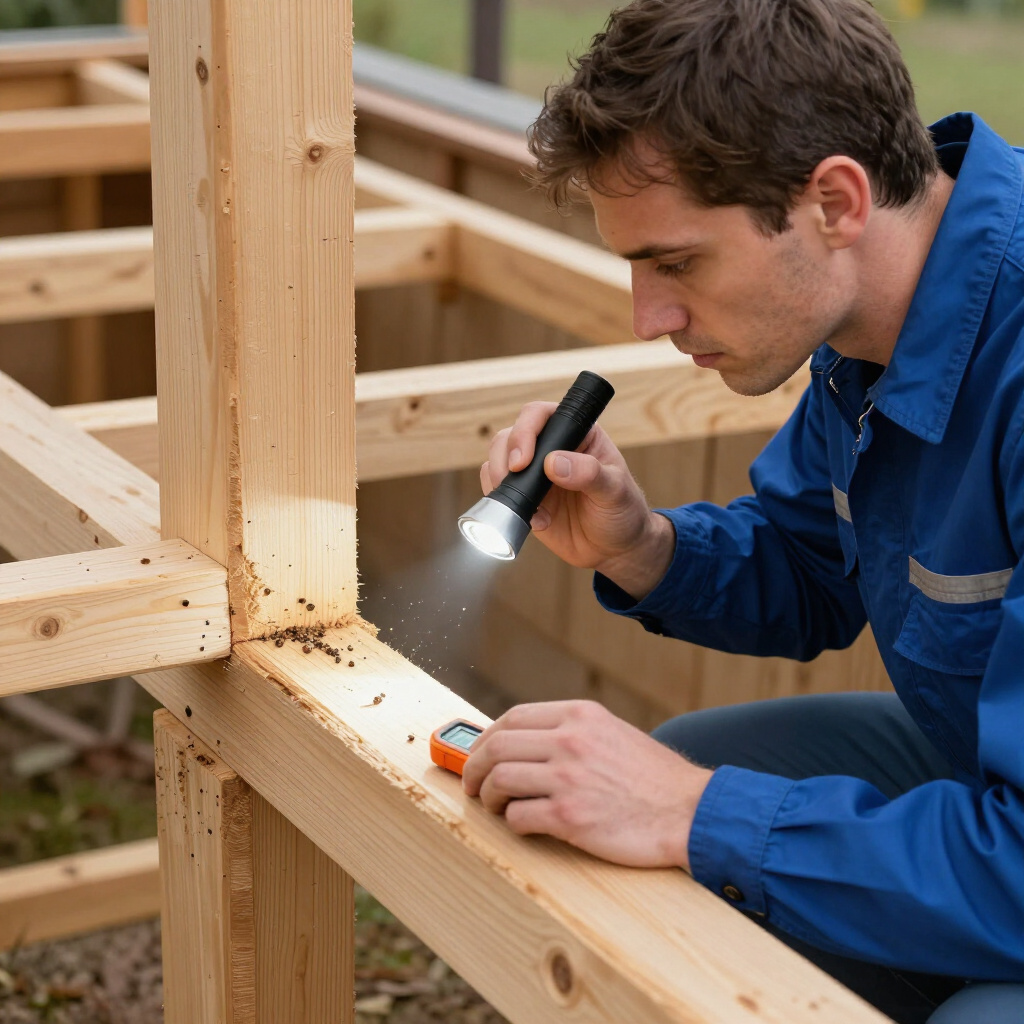
Carpenter ants deserve special attention because they can cause structural damage by tunneling through wood to build nests. Unlike termites, they don't eat the wood, but their excavations can weaken wooden structures over time. If you see large black ants or notice sawdust-like frass near wooden areas, you may be dealing with a carpenter ant situation that requires prompt attention.
Seal Entry Points to Block Ant Access
Ants are remarkably resourceful when it comes to finding ways inside. They can squeeze through cracks as thin as a dime, which means even tiny openings are potential entry points. A thorough inspection of your home's exterior is one of the most effective preventive steps you can take.
Start by examining the foundation, paying close attention to where utility lines enter your home. Gaps around pipes, cables, and air conditioning lines are common ant highways. Use silicone caulk to seal these openings—it's flexible, durable, and creates a barrier ants can't easily breach.
Windows and doors are other critical areas. Check that weatherstripping is intact and replace any that's worn or damaged. Door sweeps should make proper contact with the threshold, and window screens should be free of holes. Don't overlook vents and chimney openings; fine mesh screens can block ants while still allowing proper airflow.
Inside your home, inspect baseboards, electrical outlets, and areas where pipes pass through walls. These hidden pathways often go unnoticed but can allow ants to travel between rooms or from wall voids into living spaces.
Eliminate Food Sources That Attract Ants
Ants have an incredible sense of smell and can detect food from surprising distances. Making your kitchen and dining areas less appealing requires diligence, but the payoff is significant. The key is to remove not just obvious food sources, but also the tiny traces you might overlook.
Store pantry items in airtight containers made of glass, metal, or thick plastic. Cardboard boxes and thin plastic bags are no match for determined ants. This goes for pet food too—ants are equally enthusiastic about kibble, so consider feeding pets at set times and removing uneaten portions promptly.
Cleanliness matters enormously. Wipe down counters and tables after every meal, and don't let dirty dishes sit in the sink overnight. Sweep floors regularly, paying attention to crumbs that collect under appliances and along baseboards. Even a few grains of sugar or a smear of honey can summon an entire colony.
Your trash and recycling bins need attention as well. Use containers with tight-fitting lids, rinse recyclable containers before discarding them, and take garbage out frequently—especially in warm weather when ants are most active.
Manage Moisture and Fix Water Issues
While food gets most of the attention, water is equally critical for ant survival. Leaky faucets, condensation, and damp areas create ideal conditions that attract ants and allow them to establish indoor colonies. Some species, like carpenter ants, are particularly drawn to moist environments.
Fix dripping faucets and running toilets promptly. Check under sinks for leaks in supply lines or drain pipes, and inspect your basement or crawl space for signs of moisture intrusion. Use a dehumidifier in humid areas if necessary, and ensure your home has proper ventilation, particularly in bathrooms and kitchens.
Outdoors, direct water away from your foundation with proper grading and functioning gutters. Overwatered plants near the house can create damp soil that harbors ant colonies close to your walls.
Key Tips for Long-Term Ant Prevention
Beyond the fundamentals, several additional strategies strengthen your defenses against ant invasions. Landscaping choices play a bigger role than many homeowners realize. Keep shrubs, trees, and mulch at least a foot away from your foundation—branches touching your house act as bridges, and mulch holds moisture that attracts ants.
Consider using crushed stone or rubber mulch near the foundation instead of wood-based mulches, which decay and provide both food and shelter for ants. Store firewood and lumber away from the house and elevated off the ground, as these materials can harbor carpenter ant colonies.
Natural deterrents can supplement your efforts, though they work best as part of a comprehensive approach. Vinegar disrupts ant pheromone trails when sprayed along entry paths. Diatomaceous earth, a powder made from fossilized algae, can be applied in thin layers where ants travel; its microscopic edges damage their exoskeletons. Essential oils like peppermint and tea tree oil have repellent properties but require frequent reapplication.
Bait stations can be effective when placed strategically along ant trails, but use them thoughtfully. The goal is for worker ants to carry bait back to the colony, so avoid killing visible ants with sprays if you're using bait—that defeats the purpose. Place baits where you've seen ant activity but away from children and pets.
Regular monitoring prevents small problems from becoming major infestations. Check previously active areas periodically, especially during seasonal transitions when ants become more active. Early spring and late summer are particularly important times to be vigilant.
Final Thoughts
Preventing ants from invading your home requires combining multiple strategies rather than relying on any single tactic. By sealing entry points, eliminating food and water sources, managing your landscape, and staying observant, you create an environment where ants simply can't thrive. The effort you invest in prevention pays dividends in avoiding the stress and frustration of dealing with established infestations.
If you find yourself facing persistent ant problems despite your best preventive efforts, or if you suspect carpenter ants or other destructive species, professional pest control can identify the specific species, locate hidden nests, and implement targeted solutions. Sometimes the most helpful step is knowing when to call in expert support to protect your home completely.