
Few things disrupt the comfort of home quite like discovering unwanted visitors scurrying across your kitchen floor or hearing mysterious scratching in the walls. Household pests are more than just a nuisance—they can damage your property, contaminate food, and even pose health risks to your family. The good news? Most infestations are entirely preventable with the right knowledge and consistent habits. Whether you're dealing with a current problem or want to stay ahead of one, understanding what attracts these pests and how to keep them out is your best defense.
Most Common Household Pests and How to Prevent Them
The first step to protecting your home is knowing which invaders you're most likely to encounter. Different regions and seasons bring different challenges, but several pests consistently rank as the most widespread problems for homeowners across the country.
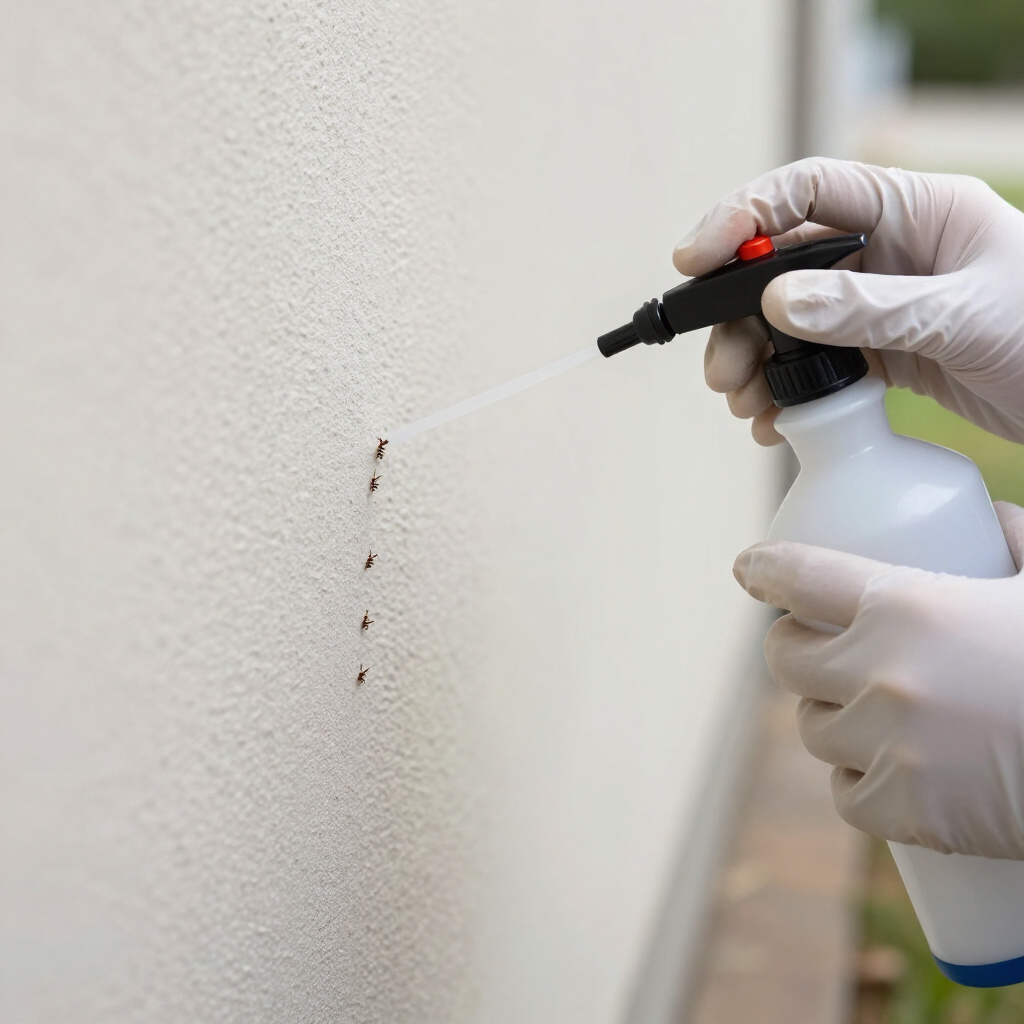
Ants top nearly every list of common household complaints. These tiny foragers enter through the smallest cracks in search of food and water, often establishing scent trails that bring hundreds more behind them. Kitchens and bathrooms are their favorite destinations. To prevent ant problems, store food in airtight containers, wipe down counters daily, fix leaky faucets promptly, and seal entry points around windows, doors, and utility lines with silicone caulk.
Cockroaches thrive in warm, humid environments with access to food debris. These resilient pests can spread bacteria and trigger allergies and asthma. Prevention focuses on eliminating what attracts them: keep your home dry with proper ventilation and dehumidifiers, clean thoroughly behind appliances where crumbs accumulate, take garbage out regularly, and never leave pet food sitting overnight.
Rodents like mice and rats seek shelter, nesting materials, and food sources—especially as temperatures drop. They can chew through wiring, insulation, and even drywall, creating fire hazards and costly damage. Prevent rodent entry by sealing gaps larger than a quarter-inch, trimming tree branches away from your roofline, storing firewood and debris away from your foundation, and using metal mesh to block vents and chimney openings.
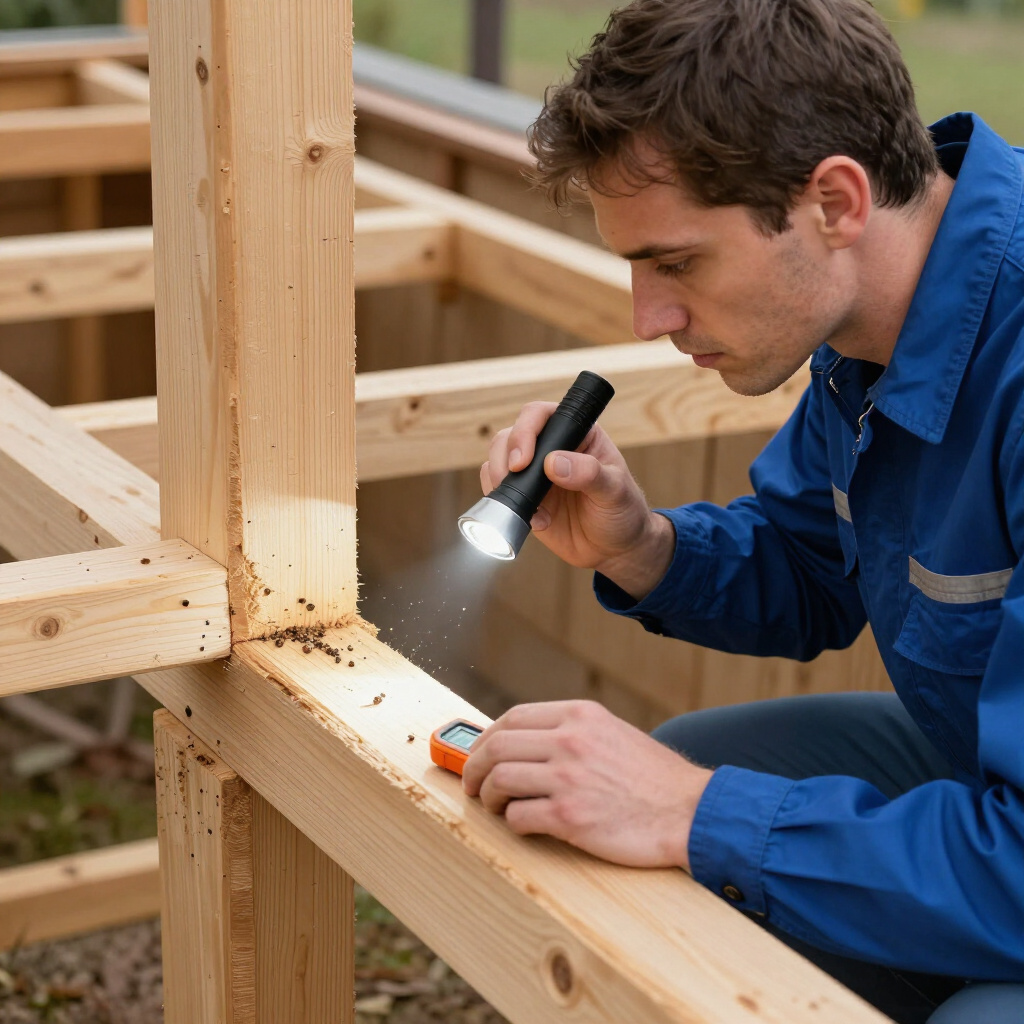
Termites work silently, often causing extensive structural damage before homeowners notice any sign of their presence. These wood-destroying insects need moisture to survive. Reduce your risk by directing downspouts away from your foundation, repairing roof leaks quickly, keeping mulch and soil at least six inches from wooden siding, and scheduling annual professional inspections—especially if your home has a history of termite activity.
Spiders generally enter homes while hunting other insects, so their presence often signals a broader pest issue. While most common house spiders are harmless, their webs create an unkempt appearance and some species can deliver painful bites. Control spider populations by reducing outdoor lighting that attracts flying insects, decluttering storage areas where they hide, vacuuming webs regularly, and addressing any underlying insect problems.
Bed bugs have made a dramatic resurgence in recent years, hitchhiking into homes on luggage, used furniture, and clothing. These nocturnal blood-feeders hide in mattress seams, box springs, and cracks near sleeping areas. Protect yourself by inspecting hotel rooms before unpacking, using protective mattress encasements, being cautious with secondhand items, and drying potentially infested fabrics on high heat.
Seasonal Pest Prevention Strategies
Pest pressures change throughout the year, and adjusting your prevention efforts accordingly makes them far more effective.
In spring, rising temperatures wake dormant insects and drive breeding activity. This is the ideal time to inspect your home's exterior for winter damage, repair screens, clean gutters, and establish perimeter treatments before populations explode. Ant swarms and termite alates (winged reproductives) are especially common during this season.
Summer brings peak activity for most insects. Mosquitoes breed in standing water, so eliminate any source—birdbaths, clogged drains, plant saucers, and even bottle caps—at least weekly. Wasps and hornets build nests in eaves, attics, and shrubs; address small nests early before they grow dangerous. Flies multiply rapidly in heat, requiring vigilant sanitation.
As temperatures cool in fall, rodents, spiders, and overwintering insects like stink bugs and lady beetles push indoors. Seal exterior cracks, install door sweeps, and inspect weatherstripping before this migration begins. Store summer items in sealed plastic rather than cardboard, which attracts both pests and provides nesting material.
Winter pest activity slows but doesn't stop. Indoor rodents remain active, and pantry pests like Indian meal moths and weevils can flourish in stored holiday baking supplies. Continue monitoring, maintain cleanliness, and store dry goods in glass or thick plastic containers with tight lids.
Key Tips for Long-Term Pest Control Success
Effective pest prevention isn't about dramatic interventions—it's built on consistent, smart habits that remove what pests need to survive.
Sanitation is foundational. Even immaculate homes can experience pest issues, but poor cleaning habits virtually guarantee them. Wipe surfaces daily, sweep floors regularly, clean under appliances weekly, and don't let dishes pile up. In pantries, practice first-in-first-out rotation to prevent stored product pests.
Moisture management matters enormously. Most pests require water to survive, and many prefer humid conditions. Run exhaust fans during showers and cooking, use dehumidifiers in basements and crawl spaces, grade soil to drain away from your foundation, and never ignore a leak—no matter how small.
Landscaping choices affect indoor pest pressure. Keep shrubs and mulch at least twelve inches from your foundation to eliminate bridges pests use to access your home. Choose plants that don't attract aphids and other honeydew-producing insects, which in turn draw ants and wasps. Position firewood stacks at least twenty feet away and elevated off the ground.
Know when to call professionals. DIY prevention handles most routine concerns, but certain situations warrant expert help: recurring infestations despite your efforts, signs of termite damage or wood-boring insects, rodent activity in walls or attics, bed bug presence, and any pest causing health concerns. Licensed pest control technicians identify species correctly, locate hidden problems, and apply targeted treatments safely.
Documentation helps. Keep records of when you notice pest activity, what you observe, and what measures you've tried. This information proves invaluable if professional intervention becomes necessary and helps identify patterns you might otherwise miss.
Final Thoughts
Most Common Household Pests and How to Prevent Them comes down to understanding that your home is an ecosystem—you can either manage it intentionally or let pests manage it for you. The homeowners who stay consistently ahead of problems invest a little time regularly rather than waiting for crises to demand their attention and money.
Start with one or two changes that fit your current routine, then build from there. Seal those obvious cracks this weekend. Deep-clean the pantry this month. Schedule that termite inspection you've been postponing. Each step reduces your risk and builds confidence in maintaining a truly comfortable, pest-free home. And remember, you don't have to tackle everything alone—professional guidance is always available when you need an expert eye or specialized solution.