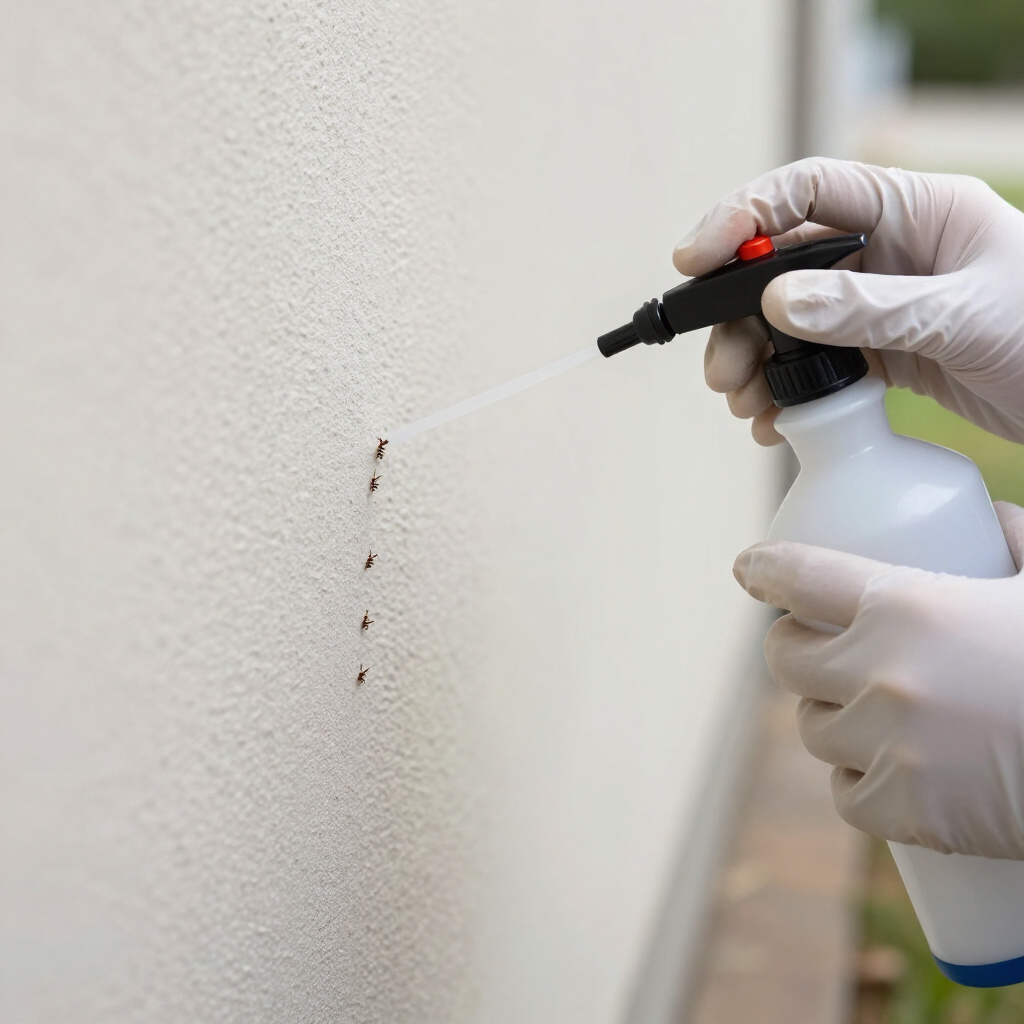


As the seasons change, so do the pests that try to make themselves at home in your space. From ants marching across your kitchen counter in spring to rodents seeking shelter when winter arrives, each season brings its own set of unwelcome visitors. Having a proactive seasonal pest control checklist can save you time, money, and the stress of dealing with a full-blown infestation. Here's your year-round guide to keeping your home protected, no matter what the weather brings.
Seasonal Pest Control Checklist for Every Time of Year
The key to effective pest management is staying one step ahead. Rather than waiting until you spot a problem, a seasonal approach helps you seal entry points, eliminate attractants, and address the specific pests most active during each part of the year. Let's break it down season by season so you know exactly what to do and when.
Spring: Awakening and Entry Points
Spring is when pests emerge from their winter hiding spots and start reproducing rapidly. This is your most important season for prevention.
Start with a thorough exterior inspection. Walk around your home and look for cracks in the foundation, gaps around windows and doors, and damaged screens. Seal any openings larger than a quarter inch—mice can squeeze through incredibly small spaces, and insects need even less room.
Pay special attention to your roofline and soffits. Overwintering wasps, bees, and birds often establish nests in these areas. Clear out any existing nests before colonies grow.
Inside your home, focus on moisture control. Fix leaky faucets, ensure proper ventilation in bathrooms and basements, and use dehumidifiers in damp areas. Spring rains create ideal conditions for termites, silverfish, and cockroaches, all of which thrive in humid environments.
Don't forget your yard. Trim bushes and tree branches away from your home's exterior—think of them as bridges that pests use to access your roof and upper levels. Clear debris from gutters and ensure downspouts direct water away from your foundation.
Common spring pests to watch for: ants, termites, wasps, bees, mosquitoes, and ticks.
Summer: Peak Activity and Outdoor Management
Summer brings the highest pest activity of the year. Warm temperatures speed up reproduction cycles, and outdoor gatherings create plenty of food opportunities.
Mosquito prevention should top your summer list. These biting pests breed in standing water, so eliminate sources weekly—bird baths, clogged gutters, plant saucers, and any containers that collect rainwater. Consider treating standing water features that can't be drained with appropriate larvicides.
Your garbage management becomes critical in summer heat. Use sealed containers, rinse recyclables before storing them, and keep bins away from your home's exterior walls. Take garbage out regularly rather than letting it accumulate indoors.
For outdoor entertaining, keep food covered until serving time, clean up spills immediately, and don't leave pet food outside. These simple habits dramatically reduce ant, fly, and wasp attraction.
Inspect your home's interior monthly during summer. Check under sinks, in pantries, and along baseboards for early signs of cockroaches or ants. The sooner you catch an issue, the easier it is to resolve.
Common summer pests to watch for: mosquitoes, flies, wasps, ants, cockroaches, and fleas.
Fall: Preparing for Overwintering Pests
As temperatures drop, pests begin seeking warm, sheltered spaces to survive winter. Your cozy home looks increasingly appealing.
Fall is your second most critical prevention season. Repeat your spring exterior inspection with extra attention to weatherstripping around doors and windows. Replace any worn or damaged seals—gaps as small as 1/16 inch let in cold air and pests alike.
Install door sweeps if you don't have them, and check that vents and chimney openings have intact screens. These are favorite entry points for rodents, stink bugs, boxelder bugs, and lady beetles.
Store firewood at least twenty feet from your home and elevate it off the ground. Woodpiles attract termites, carpenter ants, and rodents, all of which can easily transfer to your house if stored too close.
Inside, declutter storage areas like attics, basements, and garages. Piles of cardboard boxes, old clothing, and accumulated items create perfect harborage for spiders, mice, and insects. Consider switching to sealed plastic containers for storage.
Common fall pests to watch for: rodents, stink bugs, boxelder bugs, lady beetles, spiders, and cluster flies.
Winter: Monitoring and Maintenance
Winter might seem quiet on the pest front, but this is when indoor infestations often develop unnoticed. Pests that entered in fall are now settled in, and any gaps in your home's defenses remain exploitable.
Continue regular inspections, focusing on less-frequented areas. Check your attic for droppings, gnaw marks, or nesting materials. Listen for scratching sounds in walls or ceilings, especially at night when rodents are most active.
Maintain your moisture control efforts. Winter heating dries indoor air, but condensation on windows and pipes can still create problems. Wipe down windowsills regularly and ensure adequate airflow in closed-up rooms.
If you use a fireplace, inspect and clean it before the burning season. Stored firewood brought inside should only contain what you'll burn immediately—never store large quantities indoors.
Winter is also ideal for planning. Review what worked and what didn't in your seasonal pest control checklist this year. Schedule any professional services you've been considering, as pest control companies often have more flexible availability during slower months.
Common winter pests to watch for: mice, rats, cockroaches, spiders, and silverfish.
Key Tips for Year-Round Success
Some pest control habits deserve attention no matter the season. Consistency with these practices provides your best defense against infestations.
Keep your kitchen clean and food stored properly. Wipe counters daily, sweep floors regularly, and store dry goods in airtight containers. Even small crumbs attract pests, and accessible pet food bowls are an open invitation.
Maintain your landscaping throughout the year. Overgrown vegetation touching your home creates highways for pests and traps moisture against exterior walls. Keep grass trimmed, mulch layers thin, and planting beds away from your foundation.
Address repairs promptly. A loose shingle, cracked vent cover, or damaged screen might seem minor, but each represents an opportunity for pests. The longer these issues persist, the more likely they'll be exploited.
Know when to call professionals. DIY prevention handles most routine situations, but certain pests—termites, bed bugs, extensive rodent infestations—require specialized expertise. Attempting to manage these alone often worsens the problem and increases ultimate costs.
Final Thoughts
A well-executed seasonal pest control checklist transforms pest management from reactive crisis response into simple, manageable prevention. By aligning your efforts with each season's unique challenges, you protect your home's structure, your family's health, and your peace of mind throughout the year.
The most successful homeowners treat pest control as ongoing home maintenance, not an occasional chore. Start with the season you're in now, implement the relevant steps, and build the habit of seasonal preparation. Your future self will thank you when neighbors are battling infestations and your home remains comfortably pest-free.