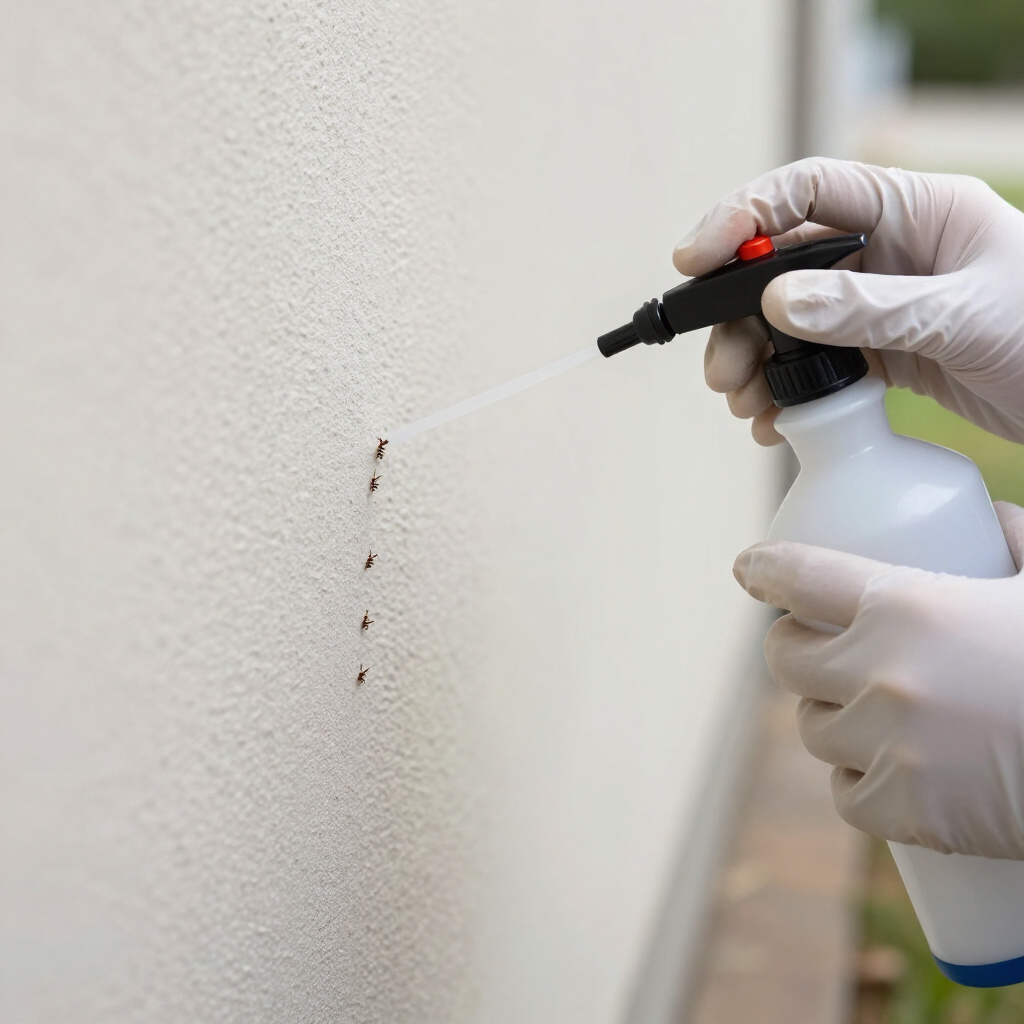

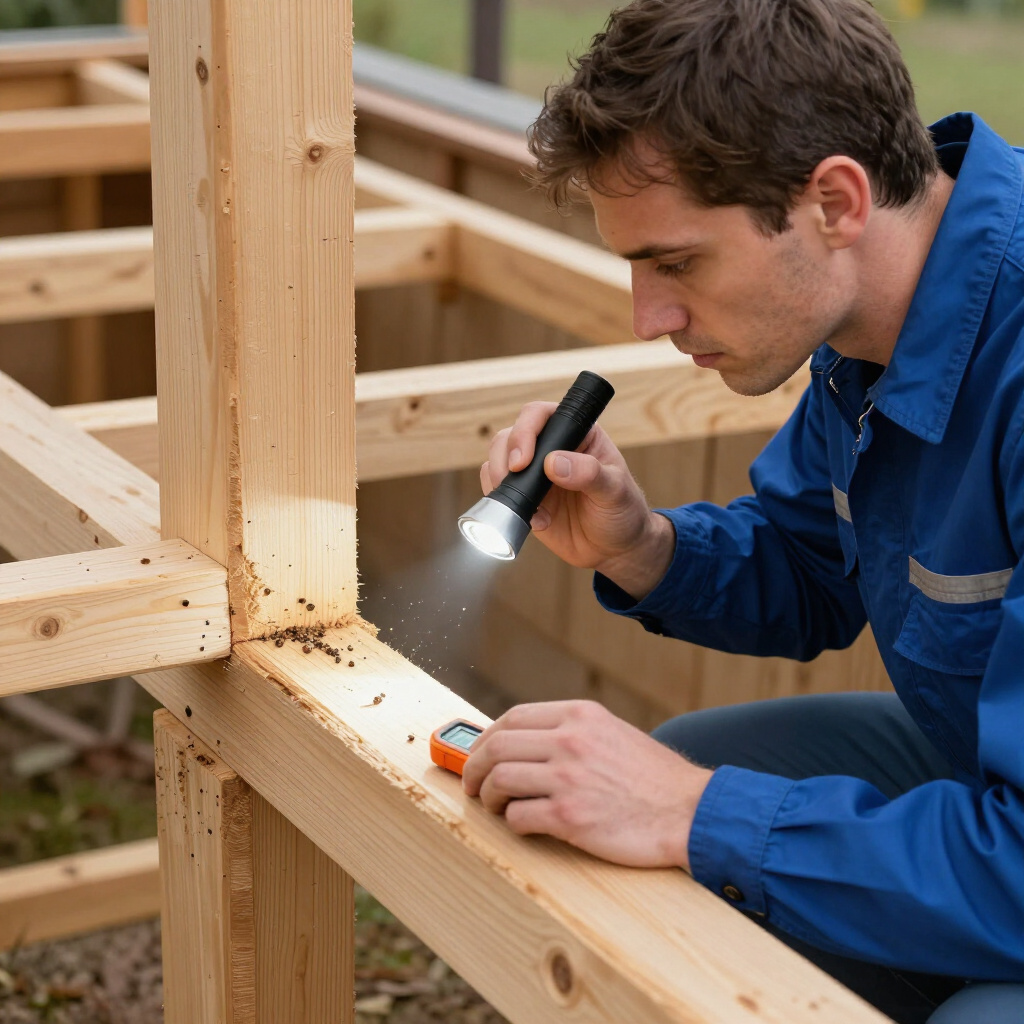
Termites are often called "silent destroyers" for good reason. These tiny insects can chew through wood, flooring, and even wallpaper undetected, causing extensive damage before most homeowners realize there's a problem. By the time visible signs appear, a colony may have already been thriving on your property for months—or even years. Knowing the early warning signs can save you thousands of dollars in repair costs and protect the structural integrity of your home. Whether you're a new homeowner or have lived in your house for decades, understanding what to look for is your first line of defense.
Signs You May Have Termites in Your Home
Recognizing the presence of termites early requires a keen eye and regular inspection habits. These pests work quietly and efficiently, but they do leave behind telltale evidence if you know where to look. Here are the most common indicators that termites may have established themselves on your property.
One of the most noticeable signs you may have termites is the presence of mud tubes. Subterranean termites, the most common type in many regions, build pencil-width tunnels from soil, wood particles, and saliva to travel between their underground colony and food sources. These tubes protect them from predators and dry conditions. You'll typically find them along foundation walls, crawl spaces, basements, or any structural wood that contacts the ground. Breaking open an active mud tube and finding live, pale insects confirms termite activity.
Discarded wings near windowsills, doorways, or light fixtures are another strong indicator. Reproductive termites, known as swarmers, take flight to establish new colonies. After mating, they shed their wings, which often accumulate in small piles. These wings are all the same size and resemble tiny fish scales. Finding them indoors almost always means a colony exists nearby—or potentially inside your walls.
Hollow-sounding wood is a red flag that shouldn't be ignored. Termites consume wood from the inside out, leaving a thin veneer of paint or wood intact. Tapping on baseboards, window sills, door frames, or hardwood floors with a screwdriver handle can reveal damage. If the wood sounds papery or hollow, or if the screwdriver breaks through easily, termites may have been feasting there for some time. Buckling paint or tiny holes in drywall can also indicate that termites have tunneled beneath the surface.
Frass, or termite droppings, resembles small piles of sawdust or coffee grounds. Drywood termites push their fecal matter out of kick holes in the wood they're infesting. Unlike subterranean termites, drywood species don't use soil or mud tubes, so frass often becomes the most visible sign of their presence. Finding these pellets near wooden furniture, beams, or window frames warrants immediate professional inspection.
Other subtle signs include sagging floors or ceilings, doors and windows that suddenly become difficult to open, and visible damage to wooden structures that appears to follow the grain of the wood. Termite galleries create a honeycomb pattern inside timber, weakening it significantly while the exterior remains deceptively normal.
Where Termites Hide and How They Spread
Understanding termite behavior helps explain why infestations often go unnoticed. Subterranean termites require moisture and soil contact, making crawl spaces, foundation cracks, and any wood-to-ground contact prime entry points. They'll build shelter tubes over concrete, metal, or other obstacles to reach above-ground food sources. Even homes on slabs aren't immune—cracks as narrow as a credit card edge can provide access.
Drywood termites operate differently, infesting dry, sound wood directly without soil contact. They often enter through attic vents, under roof eaves, or in wooden furniture brought into the home. Because they don't need moisture from the ground, they can establish colonies in upper stories, making them particularly challenging to detect early.
Formosan termites, an aggressive subterranean species, build carton nests that retain moisture, allowing them to survive without returning to soil as frequently. Their colonies can grow enormous, with millions of members causing rapid destruction. Any sign of termite activity in regions where Formosan termites are present demands urgent attention.
Moisture problems around your property significantly increase risk. Leaky pipes, poor drainage, clogged gutters, and woodpiles stacked against the house create ideal conditions. Mulch placed too close to foundations, overgrown vegetation touching exterior walls, and damp basements all invite closer inspection from foraging termite workers.
Key Tips for Prevention and Early Detection
Protecting your home from termites combines vigilance with proactive maintenance. Annual professional inspections remain the gold standard, as trained technicians know exactly where to look and can identify early activity before damage becomes severe. Most pest control companies offer inspection plans that provide peace of mind and early intervention if needed.
Between professional visits, conduct your own periodic checks. Examine foundation walls, especially in crawl spaces and basements, for mud tubes. Inspect window sills, door frames, and exposed wooden beams for changes in appearance or texture. Keep an eye out for swarmers during spring months, typically after warm rains. If you see flying insects that might be termites, collect a sample for identification rather than dismissing them as harmless ants.
Moisture control is perhaps your most powerful prevention tool. Repair leaking faucets, pipes, and air conditioning units promptly. Ensure gutters direct water well away from your foundation. Grade soil to slope away from the house, and maintain proper ventilation in crawl spaces and attics. Consider installing a vapor barrier if your crawl space tends toward dampness.
Eliminate wood-to-soil contact wherever possible. Deck posts, fence posts, and landscaping timbers should rest on concrete bases rather than directly in soil. Store firewood, lumber, and cardboard boxes away from your home's exterior and elevated off the ground. Even mulch should be used sparingly near foundations, with gravel or rubber alternatives considered for the immediate perimeter.
When building or renovating, specify termite-resistant materials like treated lumber, concrete, steel, or certain composite products. Borate-treated wood provides lasting protection against termites and decay. While no material is entirely immune, combining resistant construction with ongoing vigilance dramatically reduces risk.
If you do discover signs you may have termites, resist the urge to handle treatment yourself. Over-the-counter solutions rarely eliminate entire colonies, and improper application can scatter termites to new areas of your home. Professional exterminators have access to advanced treatments including liquid soil barriers, baiting systems, and localized or whole-structure fumigation depending on the species and severity of infestation.
Final Thoughts
Termites represent one of the most costly threats to American homes, yet they're also among the most preventable with proper awareness and action. The key is recognizing that these insects operate silently and efficiently, often causing substantial damage before any obvious signs appear. By familiarizing yourself with the indicators—mud tubes, discarded wings, hollow wood, frass, and structural changes—you position yourself to catch infestations in their earliest stages.
Regular inspections, moisture management, and eliminating conducive conditions form the foundation of effective termite prevention. Partnering with a qualified pest control professional ensures that any activity is identified accurately and treated appropriately for your specific situation and local termite species. Your home is likely your largest investment; protecting it from these hidden destroyers is maintenance you simply cannot afford to postpone. If you've noticed any of the warning signs discussed here, scheduling an inspection sooner rather than later could mean the difference between minor treatment and major reconstruction.