
There's a certain pride that comes with handling household problems on your own. A leaky faucet? You've got a wrench for that. A squeaky door? A little oil does the trick. But when it comes to pests, the line between a manageable situation and a full-blown infestation can blur quickly. Knowing when to call a pest control professional can save you time, money, and more than a few sleepless nights. The key is recognizing the signs early and understanding when DIY efforts simply aren't enough.
When to Call a Pest Control Professional for Recurring Problems
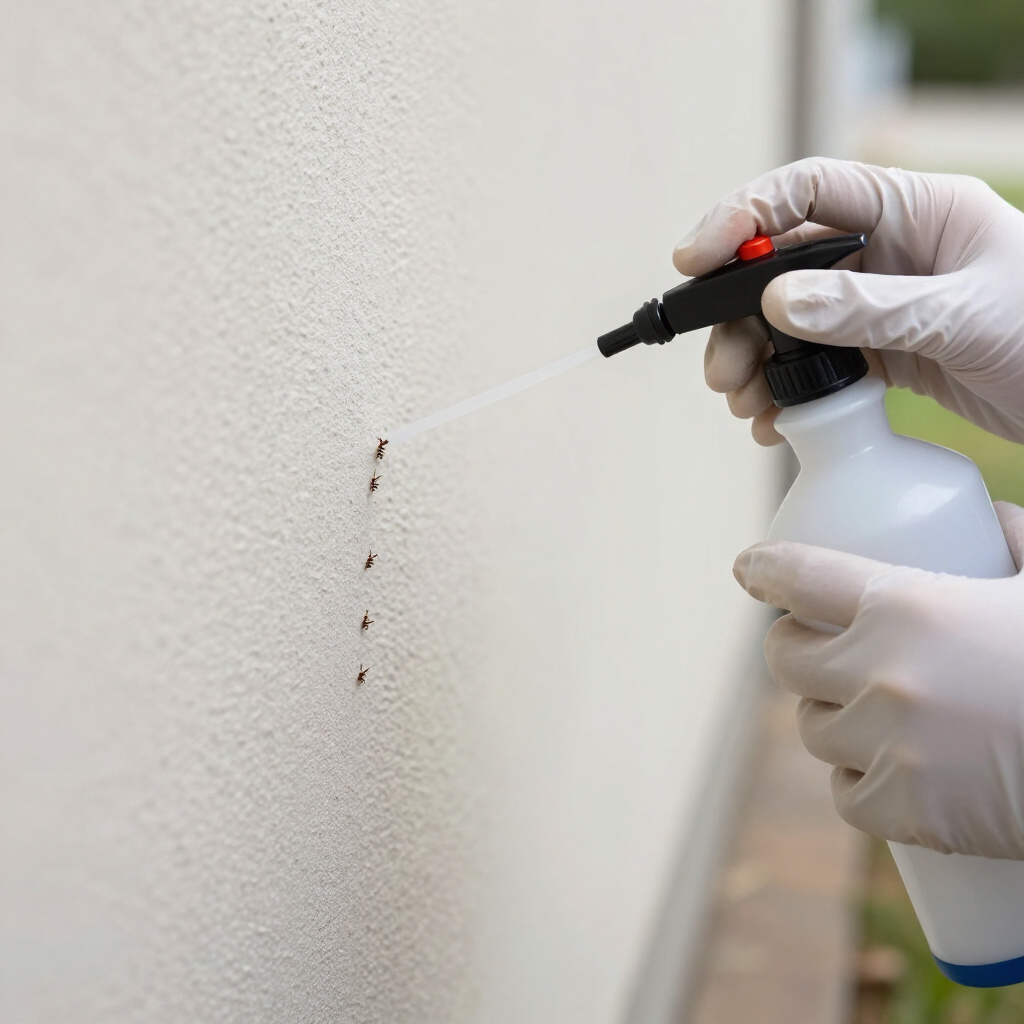
The most obvious signal that you need expert help is persistence. Maybe you've set traps, sealed cracks, and cleaned every corner of your kitchen, yet those telltale droppings keep appearing. Or perhaps you've treated for ants three times this season, and they keep marching back in formation across your countertop.
Recurring pest problems indicate something deeper is happening. Pests often establish nests or colonies in hidden areas—inside walls, beneath floorboards, or in crawl spaces—that standard consumer treatments simply cannot reach. A professional pest control technician brings specialized equipment, commercial-grade products, and trained eyes that know where to look and what to find. More importantly, they identify the root cause rather than treating symptoms, breaking the cycle of reinfestation.
When the same pest keeps returning despite your best efforts, it's time to stop throwing good money after temporary solutions and invest in professional expertise.
Signs That Demand Immediate Professional Attention
Some pest situations escalate beyond inconvenience into genuine health and safety hazards. Understanding these warning signs helps you act swiftly before minor issues become major crises.
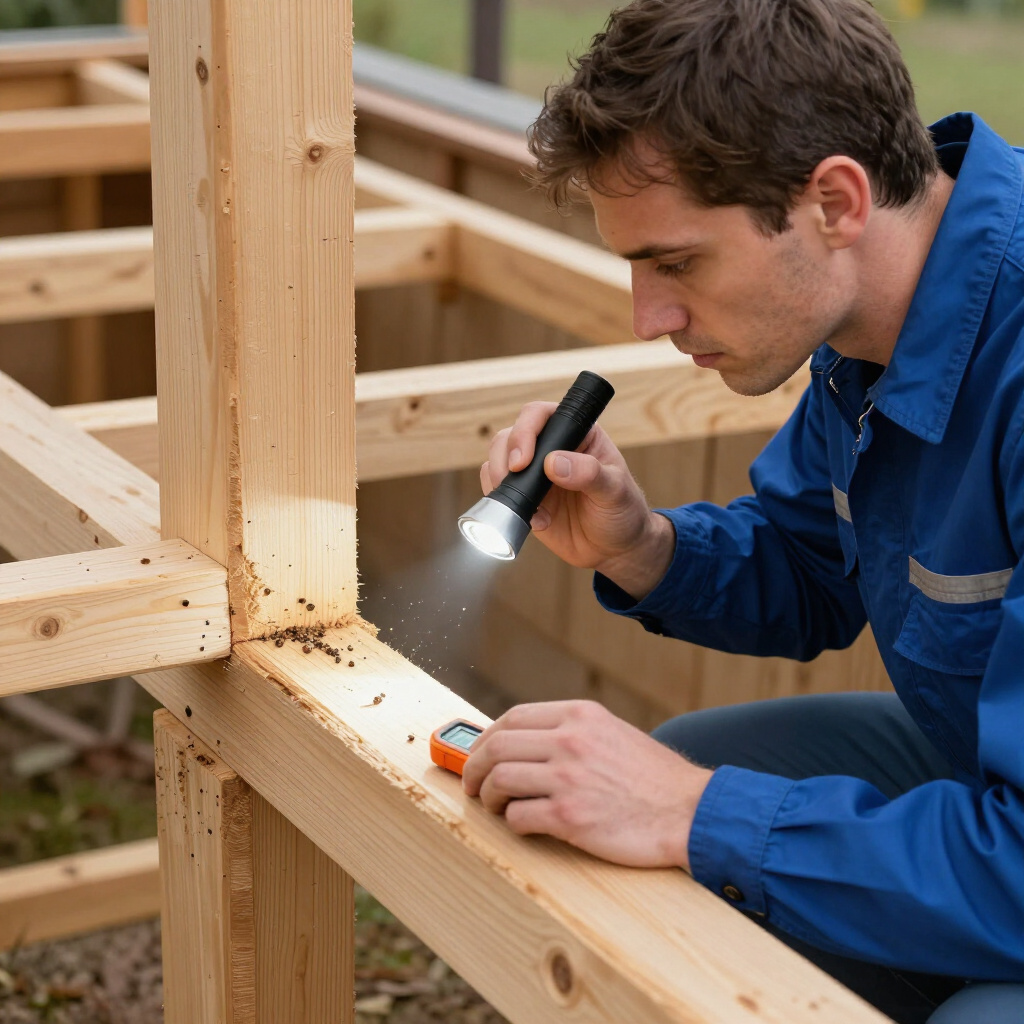
Structural damage is one of the clearest red flags. Termites silently chew through wooden supports, compromising your home's integrity long before you notice visible damage. Carpenter ants leave similar destruction in their wake. If you spot hollow-sounding wood, sagging floors, or mysterious piles of sawdust, professional intervention is non-negotiable.
Electrical issues tied to pest activity also warrant immediate concern. Rodents gnaw constantly to keep their teeth filed down, and electrical wiring happens to be conveniently chewable. Flickering lights, tripped breakers, or the acrid smell of burning insulation could signal rodent damage that poses serious fire risks.
Health symptoms among household members deserve attention too. Unexplained respiratory issues, skin rashes, or allergic reactions might stem from pest-related triggers—cockroach droppings, rodent dander, or bed bug bites. Certain pests also carry diseases directly transmissible to humans. When your family's wellbeing is potentially at stake, guessing isn't good enough.
Overwhelming numbers represent another threshold. Seeing one mouse might prompt a trap; hearing scratching in walls at all hours, finding droppings throughout multiple rooms, or observing pests during daylight hours when they typically hide suggests a substantial population that has outgrown any DIY approach.
Key Tips for Evaluating Your Situation
Before making the call, a thoughtful assessment helps you communicate effectively with professionals and ensures you receive appropriate service.
Start by documenting what you've observed. Note which pests you've seen, where and when activity occurs, and what remedies you've already attempted. Photographs of damage, droppings, or the pests themselves provide valuable diagnostic information. This documentation helps technicians target their inspection and treatment more precisely.
Consider your property's unique vulnerabilities. Older homes with original construction often harbor hidden entry points modern buildings don't. Properties near wooded areas, water sources, or agricultural land face higher baseline pest pressure. Rental properties may require coordination with landlords regarding responsibility and access. Understanding these contextual factors helps professionals tailor their approach.
Evaluate the scope honestly. A single wasp nest on your porch eave differs fundamentally from wasps nesting inside wall voids throughout your structure. Surface ant trails along a kitchen counter suggest different treatment needs than extensive carpenter ant galleries discovered during renovation. Being realistic about what you're facing prevents underestimation that delays effective treatment.
Finally, research what professional service actually involves. Reputable companies perform thorough inspections, explain their findings clearly, present treatment options with transparent pricing, and provide follow-up protocols. They should also discuss prevention strategies specific to your situation. Understanding this process helps you ask informed questions and recognize quality service when you find it.
Final Thoughts
Deciding when to call a pest control professional ultimately comes down to balancing capability against consequence. Minor, isolated incidents often respond well to attentive homeowners with quality over-the-counter products. But persistence, scale, risk to health or property, and simple uncertainty all tip the scales toward professional expertise.
The most expensive pest control is often the delayed kind. Small colonies grow exponentially. Minor damage compounds into major repairs. Health impacts accumulate while you hesitate. Recognizing when you've reached your limits—and respecting what professionals bring to the table—protects not just your home, but your peace of mind.
Trust your instincts when something feels beyond your control. The right professional doesn't just eliminate current pests; they restore your confidence that your home remains truly yours. That expertise, delivered with care and thoroughness, represents an investment in your property and your family's comfort that pays dividends well beyond the initial service call.