

Pest Control Services in Shelbyville, KY
Shelbyville sits at the heart of Kentucky's Bluegrass region, where rolling farmland meets historic neighborhoods and growing residential developments. This mix of rural and suburban landscapes creates ideal conditions for pests to thrive throughout the year. From the horse farms along Taylorsville Road to the homes near Clear Creek Park, Shelbyville properties face unique pest pressures that demand locally informed solutions.
The humid continental climate of Shelby County brings hot, muggy summers and mild to cold winters. These seasonal swings drive pests indoors seeking shelter, then back outside when temperatures rise. Termites remain active in our region's moisture-rich soil, while rodents exploit the gaps in older farmhouses and newer construction alike. Understanding these patterns helps protect your Shelbyville home or business before infestations take hold.
Common Pest Challenges in Shelby County
Residents throughout Shelbyville encounter several persistent pest issues tied to our geography and development patterns:
- Subterranean termites flourish in the limestone-rich soils of central Kentucky, silently damaging wooden structures from foundations to attics
- Field mice and rats migrate from agricultural areas into neighborhoods, particularly as harvest seasons change
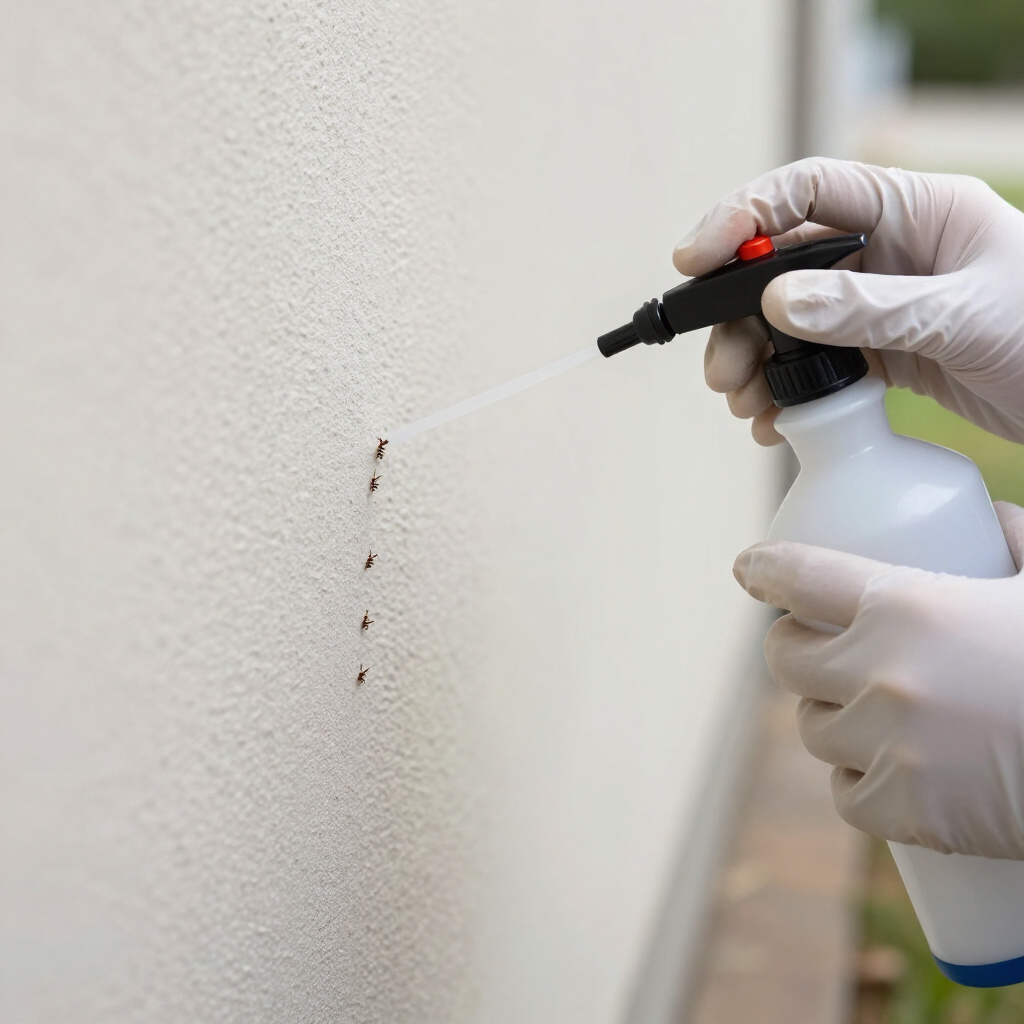
- Ant colonies including odorous house ants and pavement ants establish trails through slab foundations and landscaping
- Spiders such as wolf spiders and brown recluses seek dark, undisturbed spaces in basements and storage areas
- Stinging insects build nests in eaves, barns, and mature trees common to established Shelbyville properties
- Cockroaches exploit moisture issues in older homes near downtown and multi-unit housing near the interstate
Commercial properties face additional pressures. The warehousing and distribution centers along I-64 require rigorous pest prevention to protect inventory and meet regulatory standards. Restaurants in Shelbyville's revitalized historic district must maintain vigilant sanitation and pest management to preserve their reputations in a tight-knit community.
Seasonal Pest Activity Around Shelbyville
Spring brings swarming termites and awakening carpenter bees to Shelby County properties. As temperatures climb, mosquitoes breed in standing water from seasonal rains near Guist Creek Lake and residential ponds. Late summer pushes yellow jackets and hornets to peak aggression as colonies reach maximum size.
Fall triggers rodent migration indoors through openings as small as a quarter-inch. Winter doesn't eliminate pest problems—indoor populations of spiders, silverfish, and overwintering stink bugs persist in heated spaces. Year-round monitoring prevents the population explosions that make treatment more difficult and expensive.
Integrated Approaches for Shelbyville Properties
Effective pest management in Shelbyville combines inspection, exclusion, and targeted treatment. Perimeter defenses address the field-to-home transitions common in our area. Moisture control tackles the damp crawl spaces and basements that attract wood-destroying organisms. Habitat modification—trimming vegetation from foundations, managing mulch depth, and sealing entry points—reduces reliance on chemical interventions.
Historic homes near Main Street and the courthouse district require particular sensitivity. Older structures often have stone foundations, balloon framing, and multiple additions that create hidden pest highways. Treatment plans must preserve architectural integrity while addressing modern pest pressures.
Newer subdivisions expanding toward Simpsonville and Finchville face different challenges. Construction-disturbed soil can accelerate termite foraging. Young landscaping provides less mature canopy, changing microclimates around foundations. Builders' grade pest pretreatments often need reinforcement as warranties expire.
Frequently Asked Questions About Pest Control in Shelbyville
How quickly should I respond to signs of termites near my Shelbyville home?
Subterranean termites cause damage continuously once established. If you notice mud tubes along foundations, discarded wings near windowsills, or hollow-sounding wood, schedule inspection within days. Kentucky's termite pressure ranks among the highest nationally, and Shelby County's soil conditions particularly favor these pests. Delaying treatment risks structural damage that compounds repair costs exponentially.
Are the pesticides used safe for my horses and livestock?
Reputable pest control providers select products and application methods appropriate for agricultural-adjacent properties. Many modern formulations target specific pest biology with minimal mammalian toxicity. Always inform your technician about animals, grazing areas, and water sources. Buffer zones, granular formulations, and bait systems can often replace broadcast spraying near livestock operations common in Shelby County.
Why do I see more pests after professional treatment?
Temporary increased visibility often indicates successful treatment driving pests from harborage areas. This flushing effect typically resolves within one to two weeks as the population declines. However, persistent activity beyond this window or new pest species appearing may signal untreated nests, adjacent infestations, or structural issues allowing re-entry. Follow-up inspections ensure treatment achieved complete control and identify any needed adjustments.